Omega-3 Capsules in Test: A Brief Overview
Those searching for Omega-3 capsules test, best Omega-3 capsules or Omega-3 comparison usually don’t want to read advertising slogans. The real question is more practical: Which product reliably delivers EPA and DHA, fits into everyday life, and is clearly labeled?
That’s exactly what this guide is about. We compare classic fish oil capsules, krill oil, and vegan algae oil. Important: This is an editorial online comparison based on publicly available product information and our own product data. It is not an independent lab test and does not replace medical advice.
If you want to go directly to the suitable category, you can find Omega-3 products at VITALOVE Switzerland here. If you want to first understand what really matters, keep reading.

In short: With Omega-3, it’s not just about the amount of fish oil or oil per capsule. What matters are EPA and DHA, the daily dose, the freshness of the oil, the labeling, the source, and whether the product fits your diet.
Our Comparison Winner: VITALOVE Omega-3 Fish Oil Capsules
Our comparison winner is the VITALOVE Omega 3 Fish Oil because it strongly addresses exactly the points that really count in everyday life for classic Omega-3 capsules: clear daily dose, transparent EPA and DHA values, low-flavor intake, and a clear formulation.
We don’t rely on the loudest product story but on comprehensible quality: You see what’s inside, how much you take daily, and why the product ranks first in the comparison.
-

We provide a clear daily dose: 2 capsules contain 600 mg Omega-3, of which 360 mg DHA and 240 mg EPA. This way you immediately know what you really take per day.
-

We make usage easy: Our low-flavor capsules fit easily into the daily routine and are more practical than oil if you want to take Omega-3 in a cleanly portioned way.
-

We protect the sensitive fatty acids: Omega-3 oils are sensitive to oxidation. That’s why we use vitamin E to support the oil quality inside the capsule.
-

We declare transparently: Fish oil, EPA, DHA, vitamin E, capsule shell, and daily dose are clearly indicated. 90 capsules provide 45 daily doses.
Understanding Omega-3: EPA, DHA, and ALA Are Not the Same
Omega-3 is a collective term. For supplements, three fatty acids are especially important: ALA, EPA, and DHA.
ALA is mainly found in plant-based foods like flaxseed oil, chia seeds, or walnuts. The body can only convert ALA to EPA and DHA to a limited extent. Therefore, ALA products are not automatically equivalent to fish oil, krill oil, or algae oil.
EPA and DHA are found directly in fish oil, krill oil, and algae oil. That’s exactly why these sources are central when people specifically look for Omega-3 capsules. For health claims in Switzerland and the EU, EPA and DHA are especially relevant, for example, for normal heart function with a daily intake of 250 mg combined EPA and DHA. DHA also contributes at 250 mg daily to the maintenance of normal brain function and normal vision.
Fish Oil, Krill Oil, or Algae Oil: Which Form Suits You?
The best Omega-3 form depends less on a single buzzword and more on your everyday life.
Fish Oil Capsules
Direct source of EPA and DHA, easy dosing, and usually good value for money. Suitable if you are looking for classic Omega-3 capsules and fish oil is acceptable for you.
Krill Oil
EPA and DHA naturally occur together with phospholipids. Additionally, krill oil contains astaxanthin. Suitable if you specifically want a krill oil option.
Algae Oil
Vegan source of DHA and depending on the product also EPA, without fishing. Suitable if you live vegan or vegetarian or consciously want an alternative to fish oil.
For many customers, fish oil is the best classic capsule choice. Those who live vegan do better with VITALOVE Omega-3 Algae Oil Drops. Those specifically looking for krill oil will find with the VITALOVE Krill Oil Softgel Capsules a separate Omega-3 source with a different product logic.
The Most Common Mistake in Omega-3 Comparison
Many products prominently display the oil amount: 1000 mg fish oil, 500 mg krill oil, or several milliliters of algae oil. This number is important, but it does not yet answer the crucial question.
Important: Don’t compare just fish oil, krill oil, or algae oil in milligrams. Compare EPA and DHA per daily dose. These two values precisely show how meaningful an Omega-3 product is for your purchasing decision.
A product with a large oil amount can deliver less EPA and DHA than a more concentrated product. Conversely, a high EPA/DHA number is not automatically better if daily dose, freshness, ingredients, intake, and personal situation don’t fit.
What Should You Look for in Omega-3 Capsules?
A good purchase decision becomes easier if you read the label in the right order.
-
EPA and DHA: Are the values clearly stated per capsule and per daily dose?
-
Source: Does the Omega-3 come from fish oil, krill oil, or algae oil?
-
Daily dose: How many capsules or drops are intended daily?
-
Freshness and protection: Does the product contain antioxidants like vitamin E or other stabilization?
-
Purity: Are there indications about quality, heavy metals, oxidation values, or controlled manufacturing?
-
Everyday use: Is the intake realistic, low-flavor, and suitable for your diet?
-
Notes: Are there clear indications about allergens, pregnancy, medications, or medical consultation?
If you take blood thinners, have a planned operation, are pregnant, breastfeeding, or medically supervised, discuss Omega-3 additionally with a specialist. This is not a weakness of the product but a sensible limit of good advice.
How to Recognize Trustworthy Fish Oil
Many customers ask about fish oil not only: How much Omega-3 is inside? But also: Does the oil remain stable, are EPA and DHA clearly labeled, and is the intake really pleasant in everyday life?
That’s exactly why product quality is decisive. The GOED Monograph names among other things oxidation quality, purity, and exact measurement of EPA and DHA as important points for Omega-3 oils. For us, this means: The loudest number doesn’t win, but a product that is clearly structured.
For VITALOVE, this concretely means: 2 low-flavor capsules per day, 600 mg Omega-3 with 360 mg DHA and 240 mg EPA, vitamin E to protect the sensitive fatty acids, and labeling where you can trace fish oil, EPA, DHA, vitamin E, capsule shell, and daily dose. 90 capsules last for 45 days.
View Omega-3 Fish Oil Capsules
Omega-3 and Sustainability: Fish, Krill, or Algae?
Sustainability is not a side issue with Omega-3. Fish oil depends on fishing and supply chains. Krill oil comes from a sensitive ecosystem and should therefore be chosen particularly consciously. Algae oil is obtained from cultivated microalgae and does not involve fishing.
This does not mean that algae oil is automatically the best choice for everyone. But it does mean: Those who live vegan or want to consciously avoid fishing should seriously consider algae oil. Those who choose fish oil should pay attention to clear origin, transparent labeling, and quality controls.
Conclusion: The Best Omega-3 Capsules Are Understandable, Not Loud
Omega-3 products are often sold with very big promises. A good comparison stays calmer: Which source is used? How much EPA and DHA does the daily dose contain? Is the intake easy? Is the oil protected? Are origin and notes comprehensible?
For classic Omega-3 capsules, VITALOVE fish oil is our strongest recommendation in comparison. For vegan diets, VITALOVE algae oil is the more suitable choice. Krill oil is interesting if you consciously want a krill oil option with phospholipid structure.
This way, the search for the best Omega-3 capsules does not become a hunt for the highest number but an informed decision.
Sources and Classification


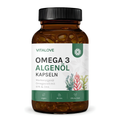



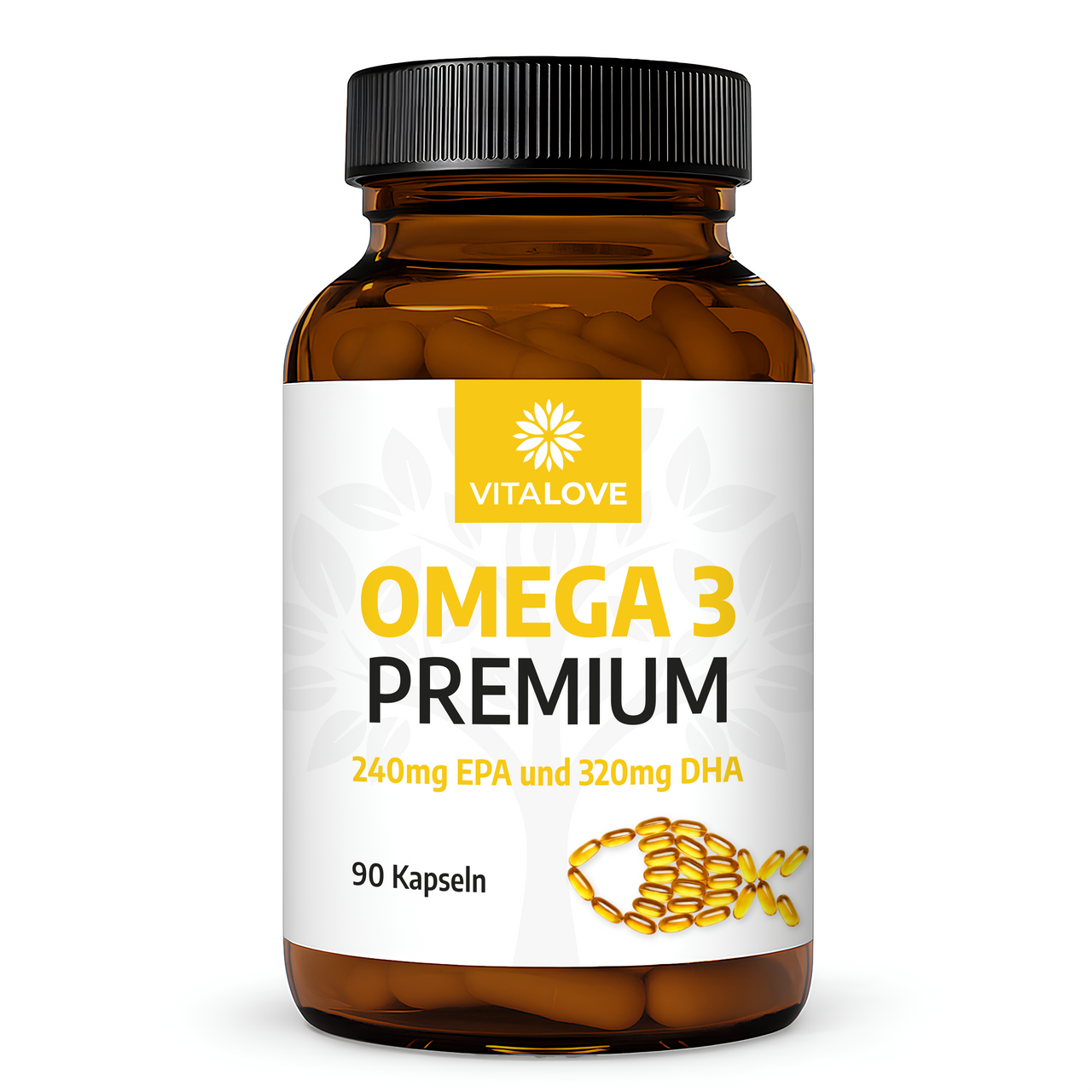 Omega 3 Fish Oil Capsules with EPA and DHA – 90 Pieces
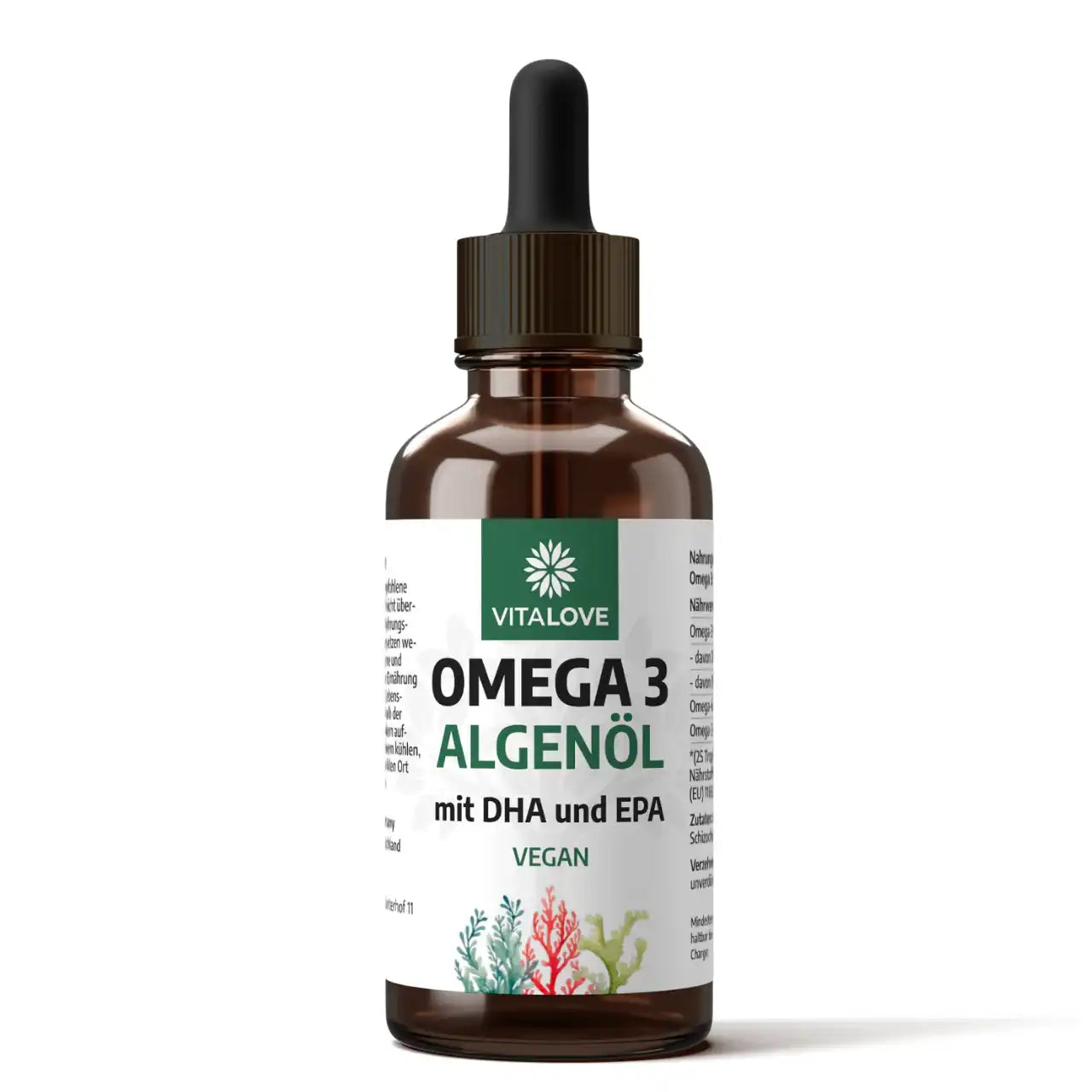 Omega-3 Algae Oil Drops (DHA & EPA) – 30 ml
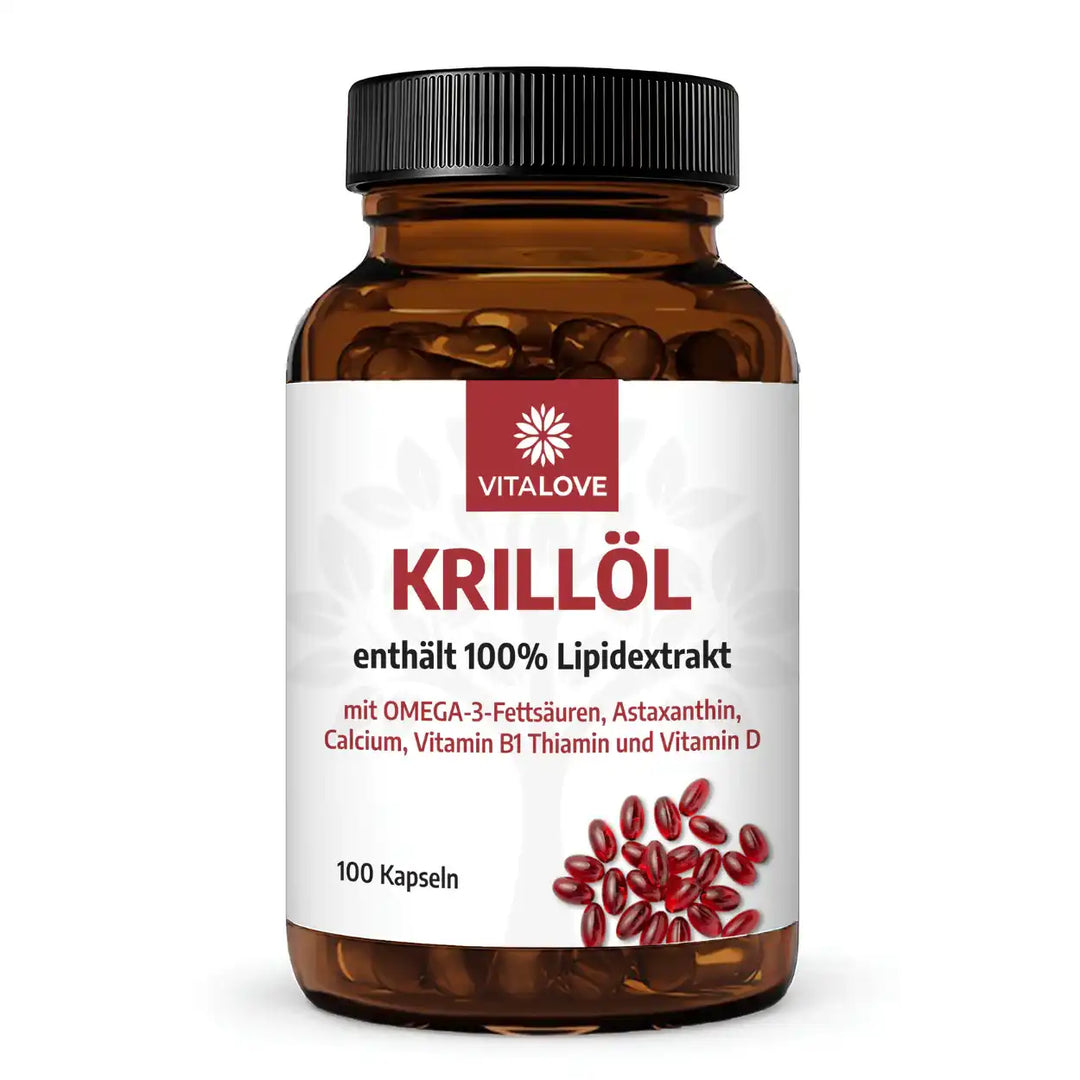 Krill Oil Softgel Capsules (100% Lipid Extract) - 100 Softgels