



3 products
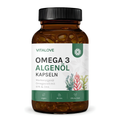
![Omega 3 Kapseln mit DHA und EPA aus Algenöl - vegan - [konventionell!] - VITALOVE - Naturprodukte](http://www.vitalove.ch/cdn/shop/files/omega-3-kapeln-mit-dha-und-epa-aus-algenoel-vegan-native-goods.jpg?v=1782664312&width=480)

![Weizenkeimöl [konventionell!] - VITALOVE - Naturprodukte](http://www.vitalove.ch/cdn/shop/files/weizenkeimoel-kaufen.jpg?v=1782664303&width=480)
Native Goods – Authentic products of local origin
The term ‘native goods’ refers to products that have their roots in local culture and nature. Whether it’s craftsmanship, food or textiles – native goods are characterised by regionality, authenticity and quality. They are not only an expression of tradition, but also a statement of sustainability and conscious consumption. In this article, you’ll learn everything you need to know about native goods, how they’re produced and why they’re becoming increasingly important to consumers.
What are native goods?
Native goods are products manufactured in a specific region using local resources and traditional production methods. They represent a region’s identity and reflect its cultural heritage. Such items are often produced in small workshops, family-run businesses or by independent craftspeople. Sustainability plays a central role here, as native goods rely on short supply chains and environmentally friendly processes.
The key characteristics of native goods
- Regional origin: Native goods originate from the region in which they are sold. This helps to strengthen the local economy.
- Craftsmanship: Many native goods are handmade and are therefore unique.
- High-quality materials: The raw materials used are often organic, sustainable and of the highest quality.
- Cultural connection: Native goods tell stories and bring traditions to life.
Why are native goods so popular?
At a time when mass production and globalisation dominate the market, more and more people are longing for authenticity and a return to their roots. Native goods offer an alternative to anonymous consumption. They embody values such as quality, awareness and regional identity – and thus strike a chord with the spirit of the times.
Focus on sustainability
One of the main reasons for the popularity of native goods is their sustainable production. Unlike industrial mass-produced goods, their production prioritises environmentally friendly processes and the responsible use of resources. Furthermore, transport distances are minimised, which reduces the carbon footprint. Consumers who choose native goods are therefore making an important contribution to environmental protection.
Supporting the local economy
By buying native goods, consumers support the local economy. They promote small businesses, secure jobs and help to preserve traditional craftsmanship. This has not only economic but also cultural benefits, as it preserves a region’s diversity and identity.
Uniqueness and quality
Native goods stand out from mass-produced items thanks to their uniqueness. Every piece tells a story and is crafted with great attention to detail. The high quality of the materials and the careful workmanship ensure that these products are durable and timeless. Whether they are handmade textiles, locally produced food or artistically designed decorative items – native goods impress with their unrivalled quality.
Examples of Native Goods
Native goods can be found in many product categories. Here are a few examples that illustrate the diversity of these authentic items:
- Food: Locally produced specialities such as cheese, honey, wine or handmade chocolate.
- Fashion: Clothing and accessories made from sustainable materials such as wool or linen, often handmade.
- Crafts: Traditional ceramics, woodwork or artistically designed jewellery.
- Cosmetics: Natural cosmetics made from local herbs and raw materials, free from chemical additives.
- Furniture and home décor: Furniture made from regional timber or hand-woven rugs and textiles.
What should you look out for when buying native goods?
If you decide to buy Native Goods, there are a few points you should bear in mind to ensure you are getting genuinely authentic products:
- Certificates and seals: Look for official certificates confirming regional origin and sustainability.
- Transparency: Find out about the producers and their production methods.
- Quality: Compare the materials and workmanship to ensure you are getting a durable product.
- Fair prices: Native Goods are often more expensive than mass-produced goods, which is justified by their high quality and the labour-intensive production process.
Conclusion: Native goods as a statement of conscious consumption
Native goods are more than just products – they represent a way of life centred on sustainability, quality and regionality. They form a link to a region’s nature and culture, whilst offering an alternative to the anonymous consumption of mass-produced goods. Whether you’re looking for unique gifts, want to support your local economy or promote a sustainable lifestyle – native goods are the perfect choice. Make a conscious choice and take a stand for authenticity and responsibility.
Frequently asked questions
Where can you buy native goods?

