



23 products


Particularly nutrient-rich
‘Superfood’ is a term that has become increasingly popular in the health and nutrition sector. It is often used to describe certain foods that are considered particularly nutrient-rich and beneficial to health. Examples of foods that fall under this term include blueberries, salmon, kale and acai berries.
It is important to note that there is no official scientific definition and the term is mainly used as a marketing tool. It is therefore important to realise that whilst some foods are labelled as superfoods, they do not necessarily fall into this category.
It is also important to realise that no single food can provide all the nutrients needed for optimal health. A balanced diet that includes a variety of healthy foods is the best way to ensure that the body gets all the nutrients it needs. Eating a variety of superfoods can certainly be beneficial, but it is important to remember that they should only be part of a healthy diet.
Wide selection
Among the most popular superfoods are leafy greens such as kale and spinach, blueberries, apples, salmon, chia seeds, quinoa, almonds, walnuts, avocados and dark chocolate. All these foods are packed with vitamins, minerals, fibre and antioxidants.
Leafy greens are among the most nutrient-dense foods and are rich in vitamins and minerals such as vitamin A, vitamin C, vitamin K and folic acid. They are also high in fibre and low in calories. Kale and spinach are particularly high in antioxidants and go well in any kind of smoothie.
Blueberries are among the fruits with the highest nutrient content, as they contain vitamins C, A and E, as well as many other antioxidants. They are also a good source of fibre and taste delicious.
Apples are a good source of vitamin C and fibre. They also contain plenty of polyphenols and make a great snack between meals or when you’re on the go.
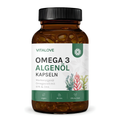
Salmon is rich in omega-3 fatty acids and a good source of protein, which is why it is particularly popular with athletes. Chia seeds are rich in fibre, protein, calcium and omega-3 fatty acids. They can be used to make delicious and healthy chia puddings.
Quinoa is a good source of protein, fibre and minerals, and is also gluten-free. It also contains many essential amino acids and works well in salads. Almonds and walnuts are excellent sources of healthy fats, protein and fibre, and make for a healthy snack, whether as a between-meals treat or whilst watching TV.
Avocados are a good source of healthy fats, vitamins, minerals and fibre. They go well on bread or in salads. Dark chocolate contains plenty of antioxidants, which can reduce inflammation and improve heart health. It’s also a good source of magnesium and an excellent alternative to milk chocolate.
These are just a few of the many superfoods available. However, it is important not to consume them in excessive quantities and to ensure you maintain a balanced diet.
Nutrients from around the world
‘Exotic superfoods’ is an umbrella term for varieties that originate from faraway places, such as tropical fruits, nuts, or certain types of grains and pulses. They may even contain more nutrients than their common counterparts, making them an excellent addition to any diet.
Most exotic varieties come from South America, Africa and Asia. Examples of these superfoods include acai berries, quinoa, goji berries, maca root, mangosteen and camu camu.
They are an excellent way to get an extra boost of essential vitamins, minerals and other nutrients. They can be consumed in a variety of ways, for example in smoothies, juices, teas or even raw.
However, it is important to note that some of these foods are not widely available and may be difficult to find. Furthermore, as with all foods, it is important to seek advice from a doctor to ensure that a particular superfood is suitable for your individual diet.
Frequently asked questions
When is something considered a superfood?

