



The vegan diet is becoming increasingly popular. It protects the environment, supports animal welfare and can also offer health benefits. However, anyone following a vegan diet needs to keep an eye on some important nutrient traps. Certain nutrients that are mainly found in animal products can be lacking in a purely plant-based diet. In this article, you will learn which nutrients can be critical, how to cover them through smart food choices and supplements, and what you should definitely pay attention to in order to stay healthy in the long term.
Why Are Certain Nutrients Critical in a Vegan Diet?
A vegan diet excludes all animal products. This removes foods that are the main source of certain nutrients. At the same time, plant-based alternatives sometimes have lower bioavailability, meaning the body cannot absorb the nutrients as well. Without conscious planning, there is a risk of deficiencies that can negatively affect health.
Critical Nutrients in a Vegan Diet
- Vitamin B12: Found exclusively in animal products.
- Omega-3 fatty acids: The long-chain forms EPA and DHA in particular are missing from plant-based diets.
- Iron: Plant-based iron is absorbed less efficiently than animal-based iron.
- Calcium: Milk alternatives often contain less calcium.
- Iodine: Sea fish and milk are important iodine sources.
- Vitamin D: Found in foods such as fish and often problematic in winter.
- Zinc: Plant-based sources are less readily available.
How to Avoid Nutrient Deficiencies
The key to a healthy vegan diet lies in balanced and varied food choices. At the same time, you should keep specific nutrients in focus. Here are the most important tips for avoiding nutrient traps.
1. Vitamin B12: A Must-Have Supplement
Vitamin B12 is essential for blood formation and the nervous system. Because it occurs exclusively in animal foods, vegans need to rely on supplements or fortified foods.
- Supplements: A vitamin B12 preparation is the safest and simplest solution. Look for a dosage of 250-500 micrograms daily or higher, depending on the product.
- Fortified foods: Some plant drinks, cereals or nutritional yeast contain added vitamin B12. However, they are often not sufficient on their own.
2. Omega-3 Fatty Acids from Algae
Omega-3 fatty acids such as EPA and DHA are essential for the heart and brain. Plant sources such as flaxseed, walnuts or chia seeds provide only ALA, a precursor to these fatty acids. The body converts ALA only to a limited extent.
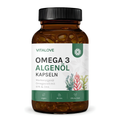
- Algae oil: Special supplements made from microalgae provide EPA and DHA in pure form.
- Plant-based sources: Also use flaxseed, hemp seeds or rapeseed oil to ensure a basic supply of ALA.
3. Iron: Combine Plant Sources Smartly
Iron is important for transporting oxygen in the blood. Plant-based iron from pulses, whole grains and nuts is absorbed less efficiently than animal haem iron. With the right combination, you can improve absorption.
- Vitamin C-rich foods: Combine iron-rich foods with fruit or vegetables containing vitamin C, such as peppers, broccoli or oranges.
- Avoid inhibitors: Caffeine, tea and calcium can inhibit iron absorption. Do not consume them at the same time as iron-rich meals.
4. Calcium: More Than Just Milk
Calcium is essential for strong bones and teeth. Vegans can easily meet their needs by including calcium-rich plant foods.
- Calcium-rich plants: Kale, broccoli, almonds and sesame are good sources.
- Fortified foods: Plant drinks or tofu often contain added calcium.
5. Vitamin D: Do Not Forget the Sunshine Vitamin
Vitamin D is essential for bone health. It is mainly produced in the skin through sunlight. In winter months or with limited sun exposure, a deficiency can occur.
- Get some sun: Spend 10-20 minutes in the sun each day without sunscreen.
- Supplements: A vitamin D preparation is especially advisable in winter. Look for the active form vitamin D3, preferably from plant sources such as lichen.
6. Iodine: An Underestimated Trap
Iodine is important for the thyroid gland and metabolism. Without milk and fish, it can be difficult for vegans to get enough iodine.
- Iodised table salt: Use only this type of salt.
- Seaweed: Nori or wakame are good iodine sources, but pay attention to the dosage, as too much can be harmful.
7. Zinc: For a Strong Immune System
Zinc is essential for skin, hair and the immune system. Vegans should pay attention to zinc-rich foods and avoid inhibitors.
- Zinc-rich foods: Pumpkin seeds, oats, pulses and nuts.
- Soaking: Soak pulses and nuts before eating to improve zinc absorption.
Common Mistakes and How to Avoid Them
A vegan diet requires planning. Here are some of the most common mistakes and tips on how to avoid them:
- One-sided diet: Focus on variety and include different food groups such as pulses, whole grains, vegetables and nuts.
- No supplements: Certain nutrients such as vitamin B12 and vitamin D cannot be covered through food alone.
- Too few calories: Plant-based foods are often lower in energy. Make sure you consume enough calories, especially if you are physically active.
Conclusion: Living Vegan in a Healthy and Balanced Way
A vegan diet can be healthy and sustainable if you plan it consciously. Critical nutrients such as vitamin B12, iron and omega-3 should not be neglected. Focus on a balanced diet, supplement strategically and use fortified foods. This allows you to benefit from the advantages of a vegan diet in the long term without putting your health at risk.


